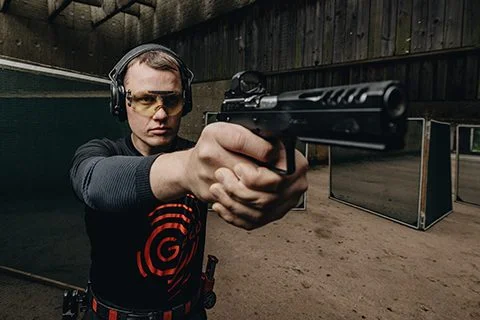
Shooting Portrait
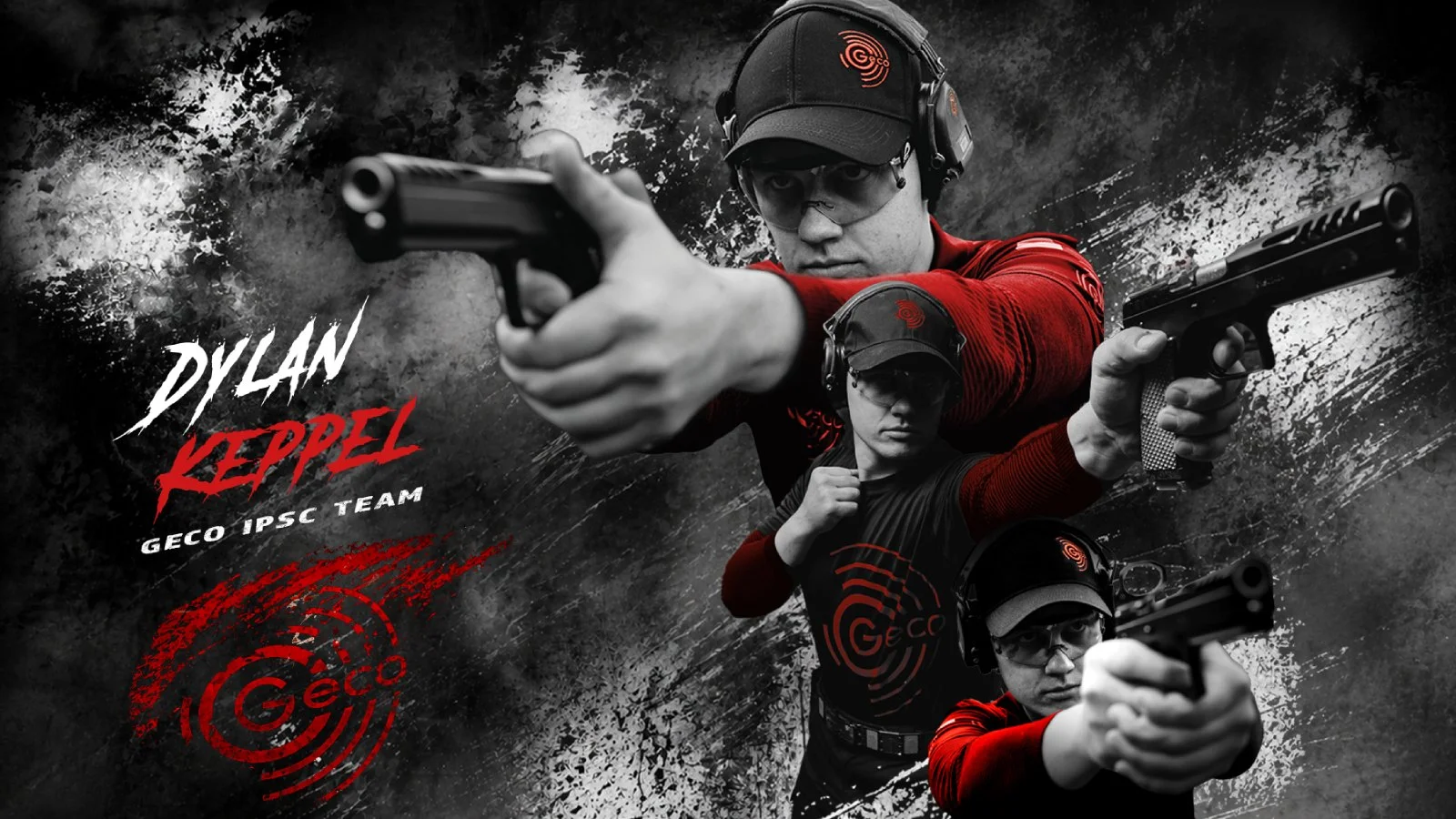
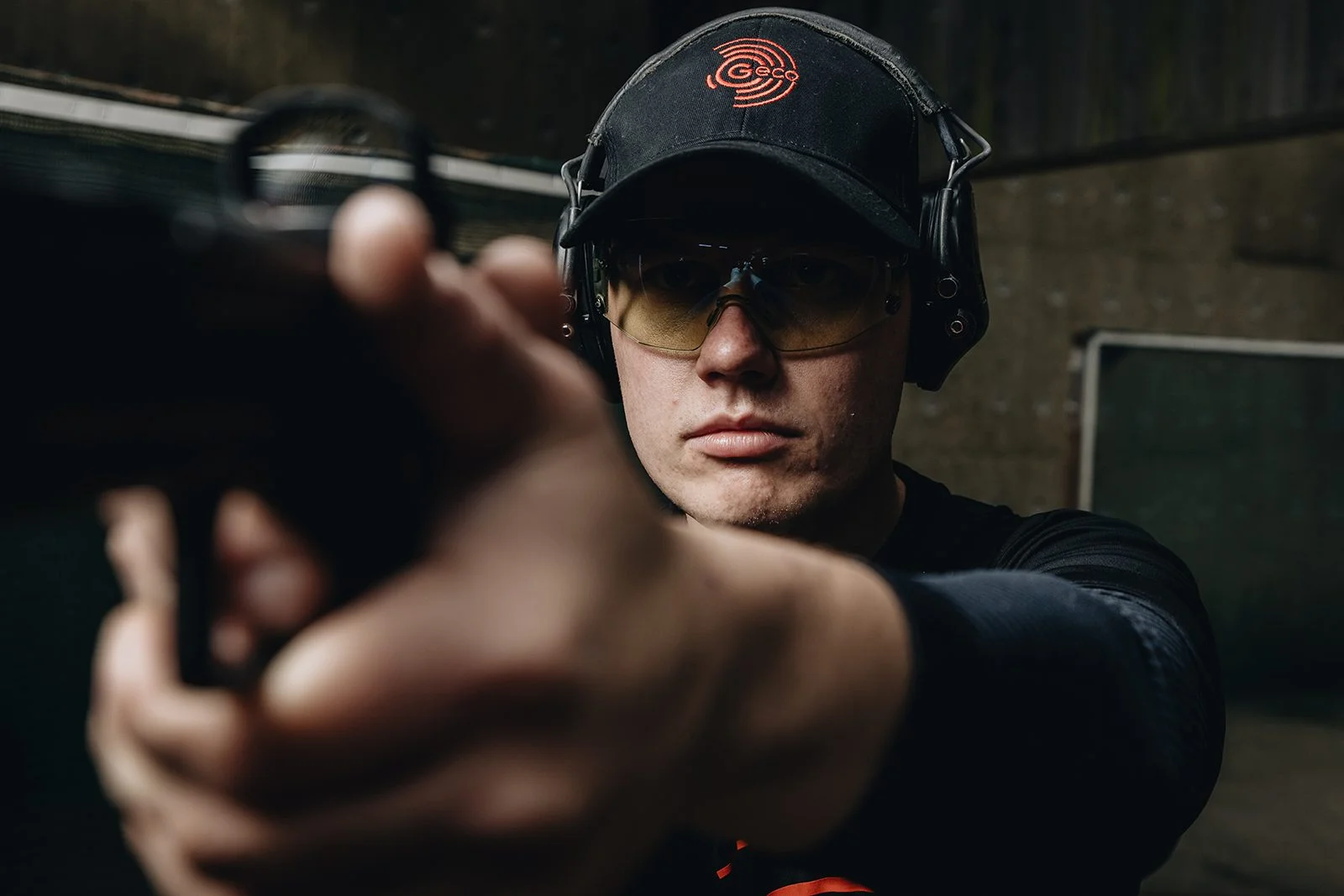
Dylan Keppel
„Moja zasada jest prosta: jeden strzał, jeden Alpha – z GECO.”
Dylan Keppel jest jednym z najbardziej obiecujących i utalentowanych strzelców nowej generacji IPSC w Europie.
Łącząc niesamowitą szybkość, niezwykłą celność i analityczny umysł, ten Holender zasłużył sobie na trafny przydomek na strzelnicy: „Kalkulator”.
Dzięki silnemu wsparciu partnerów – BERETTA i GECO – Dylan osiągnął już znakomite wyniki na arenie międzynarodowej, w tym miejsce w pierwszej dziesiątce podczas Mistrzostw Świata IPSC w strzelaniu z pistoletu w 2025 roku w RPA oraz imponujące 4. miejsce w kategorii Production Optics (6. miejsce w klasyfikacji generalnej) podczas Mistrzostw Europy IPSC w strzelaniu z pistoletu w 2026 roku na Węgrzech.
Jego uwaga jest mocno skupiona na przyszłości. Dzięki zdyscyplinowanym przygotowaniom, ustrukturyzowanym treningom i doskonale dopracowanej strategii startowej Dylan jest zdeterminowany, by dołączyć do światowej elity i walczyć o miejsca na podium podczas największych mistrzostw tej dyscypliny.
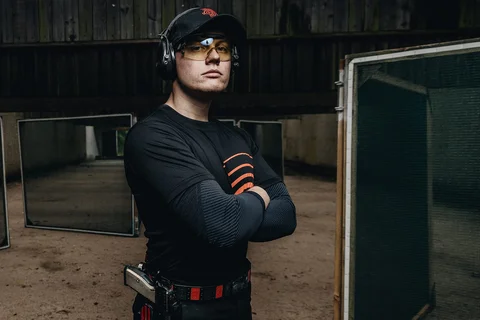
Profil zawodnika: Dylan Keppel
Imię i nazwisko: Dylan Keppel
Obywatelstwo: Holandia
Data urodzenia: 1997 r., Zoetermeer
Klasyfikacja IPSC: Grand Master
Kategorie: Production Optics / Open
Pseudonim: The Calculator
Obecny pistolet zawodowy: Beretta 94X Performance
Celownik optyczny: Shield RMSx
Amunicja: GECO 9 mm Luger – 124 gr
Znany z: Analitycznego podejścia do rywalizacji, nieustannego skupienia na planowaniu etapów, wydajności i konsekwencji.
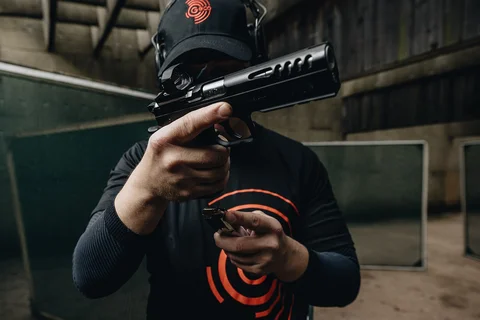
Najważniejsze osiągnięcia
- 8. miejsce – Mistrzostwa Świata IPSC w strzelaniu z pistoletu 2025 (kategoria Production Optics)
- 4. miejsce – Mistrzostwa Europy IPSC w strzelaniu z pistoletu 2026 (kategoria Production Optics), 6. miejsce w klasyfikacji generalnej
- Sześciokrotny mistrz Holandii
- Zdobywca ponad 50 medali prezydenckich
- Trzykrotny mistrz Beretta Gold Cup
- Mistrz GECO Match – 2023, 2024 i 2025
- Zwycięzca – CZC/Infinity Match 2025
- Zwycięzca – Hot Shots 2025
- Występuje w barwach drużyny GECO od 2024 roku
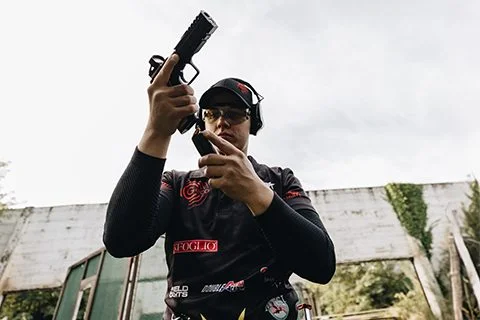
Broń sportowa
Production / Production Optics
Beretta 94X Performance
Dylan startuje obecnie w zawodach z pistoletem Beretta 94X Performance, wyposażonym w jego własny, wykonany na zamówienie Elite Hammer. Wszystkie pozostałe elementy pozostają całkowicie seryjne.
Pistolet ten charakteryzuje się wyjątkową równowagą, znakomitą niezawodnością oraz niezwykle płynnym odczuciem podczas strzelania, co pozwala na szybkie i celne oddawanie kolejnych strzałów. Już w stanie fabrycznym osiąga niezwykle wysoki poziom wydajności i wymaga jedynie minimalnych modyfikacji, aby być w pełni gotowym do zawodów.
Dla Dylana właśnie to ma największe znaczenie.
Niezawodny pistolet pozwala mu skupić się całkowicie na tym, co decyduje o zwycięstwie w zawodach: wykonaniu etapu.
W połączeniu z amunicją GECO 124 gr oraz celownikiem optycznym Shield RMSx, jego zestaw zapewnia mu stałą wydajność i pewność siebie, których oczekuje za każdym razem, gdy uruchamia się stoper.
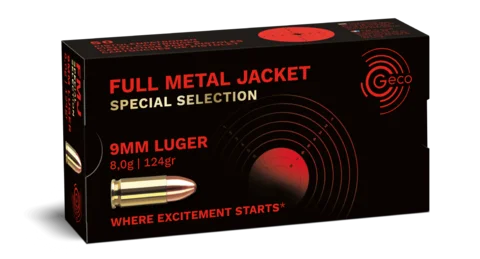
Amunicja: Trening i zawody
Dylan celowo używa tej samej amunicji zarówno podczas treningów, jak i zawodów. Zamiast przechodzić między różnymi rodzajami amunicji, stawia na jeden, spójny zestaw, aby za każdym razem zapewnić identyczne właściwości odrzutu, identyczne zachowanie pocisku i identyczną wydajność.
Jego filozofia jest prosta.
Spójność wygrywa z różnorodnością.
The Story
Dylan Keppel nie jest typowym strzelcem kierującym się instynktem. Jest myślicielem. Analitykiem.
Ktoś, kto nie reaguje po prostu na etap. On go przewiduje.
Jego pseudonim, „Kalkulator”, nie jest tylko chwytem marketingowym. To trafne odzwierciedlenie jego podejścia do IPSC. Podczas gdy wielu zawodników polega na instynkcie i rytmie, Dylan rozkłada każdy etap na poszczególne elementy: ruch, przejścia, sekwencje celów i ocenę ryzyka. Dla niego etap to nie tylko coś, do czego trzeba strzelać. To problem do rozwiązania.
„Nie tylko strzelam na etapie. Obliczam go. Współczynnik trafień, ruch, ryzyko. Wszystko musi mieć sens, zanim oddam pierwszy strzał”.
Taki sposób myślenia nie wykształcił się z dnia na dzień.
Dorastając w rodzinie pasjonującej się strzelectwem sportowym, Dylan już w młodym wieku został wprowadzony w świat IPSC przez swojego ojca. Początkowo obserwował wszystko z boku. Jednak w wieku 14 lat jedno stało się jasne. Oglądanie już mu nie wystarczało. Chciał startować w zawodach.
To, co zaczęło się od fascynacji, wkrótce przerodziło się w prawdziwą ambicję. W wieku 19 lat uzyskał licencję strzelecką i zaczął startować w zawodach. Od tego momentu nie chodziło już tylko o sam udział. Chodziło o doskonalenie się. Każdy mecz, każdy etap i każda sesja treningowa stały się kolejną okazją do rozwoju.
Dzisiaj Dylan jest jednym z tych zawodników, którzy zasłużyli na swoje miejsce dzięki dyscyplinie, powtarzaniu ćwiczeń i systematycznemu podejściu do doskonalenia się. Nic nie jest pozostawione przypadkowi.
Dla niego trening nie jest czymś, co po prostu wpasowuje się w harmonogram dnia. To podstawa wszystkiego. Niezliczone powtórzenia, ustrukturyzowane sesje treningowe i niezachwiana konsekwencja ukształtowały zawodnika, jakim jest dzisiaj.
A wyniki mówią same za siebie.
Ważnym kamieniem milowym było zajęcie miejsca na podium podczas Mistrzostw Europy IPSC 2023. To było coś więcej niż tylko kolejny medal – potwierdziło, że jego podejście się sprawdziło. Precyzja, przygotowanie i dyscyplina pozwoliły mu konkurować z najlepszymi.
Jego prawdziwy międzynarodowy przełom nastąpił jednak na największej scenie strzelectwa praktycznego.
Podczas Mistrzostw Świata IPSC w strzelaniu z pistoletu 2025 w RPA Dylan rywalizował z ponad 1 600 strzelcami z prawie 50 krajów. Ponad 30 wymagających etapów, nieustannie zmieniające się warunki i nieustanna presja złożyły się na jedną z najtrudniejszych rywalizacji w IPSC.
„Mistrzostwa Świata to zupełnie inna liga. Chodzi przede wszystkim o radzenie sobie pod presją. Każdy najmniejszy błąd kosztuje punkty.”
Zajęcie 8. miejsca w kategorii Production Optics w tych okolicznościach było czymś znacznie więcej niż tylko kolejnym dobrym wynikiem.
Był to dowód.
Dowód na to, że Dylan Keppel ugruntował swoją pozycję wśród czołowych zawodników świata w kategorii Production Optics.
Swoją pozycję umocnił podczas Mistrzostw Europy IPSC w strzelaniu z broni krótkiej 2026 w Buzsák na Węgrzech. W starciu z jedną z najsilniejszych stawek w europejskim IPSC ponownie zaprezentował znakomitą formę, zajmując 4. miejsce w kategorii Production Optics i 6. miejsce w klasyfikacji generalnej.
Dla większości zawodników takie wyniki byłyby celem samym w sobie.
Dla Dylana są to kamienie milowe.
Każdy, kto go zna, rozumie bowiem jedną rzecz.
On nigdy nie przestaje analizować.
Nigdy nie przestaje dopracowywać szczegółów.
Nigdy nie przestaje się doskonalić.
Gdy tylko jeden mecz się kończy, jego uwaga natychmiast przenosi się na kolejny etap.
Kolejne wyzwanie.
Kolejna okazja, by zaprezentować się na jeszcze wyższym poziomie.
Dla Dylana Keppela postęp nigdy nie jest przypadkowy. Jest przemyślany.
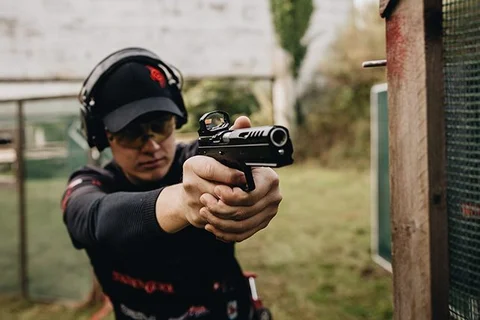
Trening, rutyna i siła psychiczna
„Konsekwencja przeważa nad wszystkim. Dlatego trenuję i startuję w zawodach, stosując dokładnie ten sam zestaw. Żadnych niespodzianek. Żadnych wymówek”.
Dla Dylana sukces nie buduje się podczas zawodów. Buduje się go na długo przed tym, jak zabrzmi sygnał kończący.
Jego rutyna treningowa jest uporządkowana, zdyscyplinowana i niezwykle konsekwentna. Każda sesja ma jasny cel, a każde powtórzenie przyczynia się do tego, by stać się bardziej wszechstronnym zawodnikiem.
Tygodniowy plan treningowy
- Strzelanie na sucho: co najmniej trzy sesje tygodniowo
- Strzelanie z broni: około trzech sesji tygodniowo
- Około 300 nabojów tygodniowo
- Około 50 000 nabojów rocznie
Strzelanie na sucho pozostaje podstawą jego programu. Skupia się przede wszystkim na podstawowych umiejętnościach, które decydują o wyniku zawodów:
- Wyciąganie broni
- Przeładowywanie
- Ruch
- Zajmowanie i opuszczanie pozycji
Poza strzelnicą Dylan uzupełnia trening strzelecki ukierunkowanym treningiem fizycznym, obejmującym:
- Ćwiczenia szybkościowe i sprinty (raz w tygodniu)
- Trening siły eksplozywnej (trzy sesje tygodniowo)
- Skoki na skrzynię
- Przysiady z rozkrokiem
- Stabilność tułowia
Przygotowanie fizyczne jest ważne, ale Dylan uważa, że jego największą siłą jest nastawienie psychiczne.
Wizualizacja stanowi istotną część jego przygotowań. Zanim wejdzie do stanowiska strzeleckiego, w myślach przeanalizował już dany etap niezliczoną ilość razy. Każdy ruch, każde przejście i każdy strzał zostały przećwiczone na długo przed sygnałem startowym.
Dla Dylana pewność siebie nie wynika z nadziei. Wynika z przygotowania.
Harmonogram sezonu i cele
Dylan skupia się przede wszystkim na międzynarodowym cyklu zawodów IPSC.
Jego sezon obejmuje zazwyczaj ponad 20 zawodów, a trzon jego kalendarza stanowią najważniejsze zawody w całej Europie.
Najważniejsze z nich to:
- Międzynarodowe zawody poziomu III
- Beretta Gold Cup w całej Europie
- GECO Match
- GECO Masters w Philippsburgu
- Najważniejsze mistrzostwa IPSC
Mając już na koncie trzy tytuły Beretta Gold Cup, trzy kolejne zwycięstwa w GECO Match oraz liczne zwycięstwa w prestiżowych zawodach poziomu III, Dylan nieustannie stawia sobie nowe wyzwania, rywalizując z najsilniejszymi zawodnikami na międzynarodowej scenie IPSC.
Jego długoterminowa ambicja nie mogłaby być bardziej jasna.
Zostać mistrzem świata IPSC w strzelaniu z pistoletu.
Do tego czasu każdy mecz ma swój cel. Każdy etap to kolejna okazja do zdobycia doświadczenia, udoskonalenia wyników i zrobienia kolejnego kroku w kierunku szczytu.
A jeśli wszystko ułoży się pomyślnie, chciałby osiągnąć ten cel wraz ze swoimi kolegami z drużyny Team GECO.
„Nie jeżdżę na zawody tylko po to, by wziąć w nich udział. Jeżdżę, by wygrać. Celem jest zawsze podium”.
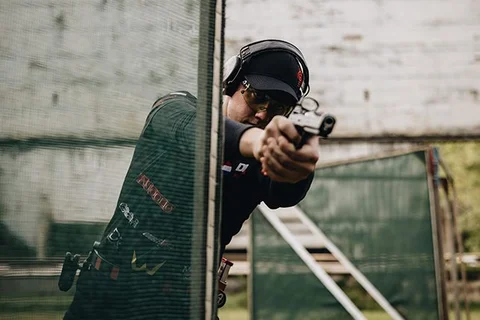
Stage Strategy
Przygotowania rozpoczynają się na długo przed oddaniem pierwszego strzału.
Każdy etap przebiega według tej samej, zdyscyplinowanej procedury:
1. Policzyć cele.
2. Opracować kilka planów na etap.
3. Obliczyć współczynnik trafień.
4. Ocenić stosunek ryzyka do korzyści.
5. Określić ruchy, przejścia i rytm strzelania.
Dylan zawsze w pełni wykorzystuje oficjalny czas przeznaczony na zapoznanie się z trasą.
Jedna rzecz wyróżnia go spośród wielu zawodników. Naprawdę lubi być pierwszym strzelcem na etapie.
Podczas gdy inni postrzegają to jako dodatkową presję, Dylan widzi w tym szansę. Strzelanie jako pierwszy pozwala mu nadać tempo, w pełni skupić się na swoim planie etapu i zdobyć punkty, zanim reszta zawodników w ogóle zacznie.
Odżywianie i stabilność
Stabilność wykracza daleko poza sam zakres wyników.
Dylan codziennie monitoruje swoją masę ciała, stosuje dietę wysokobiałkową i przez cały sezon utrzymuje stałą wagę startową na poziomie około 72 kg.
Dla niego stabilność fizyczna wspiera stabilność psychiczną.
Każdy szczegół ma znaczenie.
Motywacja
Zapytaj Dylana, co go napędza, a odpowiedź padnie natychmiast.
Rywalizacja.
Mierzenie się z najlepszymi strzelcami świata. Ciągłe doskonalenie się. Pokonywanie nowych wyzwań na każdym etapie. I doświadczanie tej wyjątkowej atmosfery, jaką może zaoferować tylko IPSC.
To właśnie sprawia, że wciąż tu wraca.
Na każdy mecz.
W każdy weekend.
W każdym sezonie.
Sascha Back w krótkim wywiadzie – 10 pytań, 10 odpowiedzi:
1. Jak zacząłeś uprawiać IPSC?
Dzięki mojemu ojcu. Dorastałem, spędzając czas na strzelnicy i obserwując, jak bierze udział w zawodach. W pewnym momencie samo oglądanie przestało mi wystarczać. Chciałem sam się zaangażować. Zacząłem poważnie trenować w wieku 14 lat i od tamtej pory wiedziałem, że chcę sprawdzić, jak daleko mogę zajść w tym sporcie.
2. Dlaczego ludzie nazywają cię „Kalkulatorem”?
Ponieważ do każdego etapu podchodzę analitycznie. Obliczam różne współczynniki trafień, przeanalizuję wiele planów przejścia etapu, a następnie wybieram ten, który daje największą przewagę. W IPSC nie chodzi tylko o szybkie strzelanie. Chodzi o znalezienie najbardziej efektywnego rozwiązania.
3. Obecnie startujesz z pistoletem Beretta 94X Performance. Dlaczego jest to dla ciebie odpowiedni pistolet?
Strzelam z Beretta 94X Performance z własnym, wykonanym na zamówienie Elite Hammer. Wszystko inne jest całkowicie fabryczne.
Pistolet ten zapewnia wyjątkową równowagę, znakomitą niezawodność i niezwykle płynne strzelanie, co pozwala na szybsze i dokładniejsze strzały następcze. Już w stanie fabrycznym osiąga bardzo wysoki poziom, więc wymaga jedynie minimalnych modyfikacji, by być w pełni gotowym do zawodów.
To daje mi pewność siebie, dzięki której mogę skupić się całkowicie na wykonaniu etapu.
4. Dlaczego ograniczasz modyfikacje do minimum?
Ponieważ niezawodność decyduje o zwycięstwie w zawodach.
Nie interesuje mnie wymiana części tylko dla samej zmiany. Kiedy wiem, że mój sprzęt działa dokładnie tak, jak tego oczekuję, nie ingeruję w niego. Pewność siebie wynika z konsekwencji, a konsekwencja wynika z zaufania do swojego zestawu.
5. Jak ważna jest amunicja dla Twoich wyników?
Ma absolutnie kluczowe znaczenie.
Strzelam GECO 124 gr i używam jej cały czas. Nie rozróżniam amunicji treningowej od amunicji zawodowej, ponieważ chcę, aby każdy strzał był dokładnie taki sam.
Dla mnie spójność jest ważniejsza niż pogoń za drobnymi różnicami.
6. Jak wygląda typowy tydzień treningowy?
Trenuję kilka razy w tygodniu.
Obejmuje to strzelanie na sucho, strzelanie z ostrą amunicją, trening siłowy i kondycyjny oraz przygotowanie psychiczne.
Celem jest ciągłe doskonalenie wszystkich aspektów moich wyników, od umiejętności technicznych i efektywności ruchowej po szybkość, celność i podejmowanie decyzji.
7. Na czym skupiasz się najbardziej podczas treningu?
Na podstawach.
Wyciąganie broni, przeładowywanie, ruch i bezbłędne wykonanie etapu.
Wielu strzelców skupia się przede wszystkim na szybkości. Uważam, że szybkość jest wynikiem konsekwentnego i dobrego opanowania podstaw. Jeśli podstawy są solidne, szybkość przyjdzie naturalnie.
8. Który wynik ma dla Ciebie jak dotąd największe znaczenie?
Mistrzostwa Świata IPSC w strzelaniu z pistoletu 2025 w RPA.
Zajęcie 8. miejsca w kategorii Production Optics podczas największych zawodów w naszej dyscyplinie było przełomowym momentem w mojej karierze. Udowodniło to, że mogę rywalizować z najlepszymi strzelcami na świecie.
9. Jak wygląda Twój sezon zawodowy?
Mój kalendarz jest zbudowany wokół międzynarodowych zawodów.
W tym sezonie czeka mnie kilka lotów po Europie, Beretta Gold Cups, najważniejsze zawody poziomu III oraz największe mistrzostwa IPSC.
Rywalizacja z najsilniejszymi strzelcami to najlepszy sposób na ciągłe doskonalenie się.
10. Jaki jest Twój ostateczny cel?
Zostać mistrzem świata IPSC w strzelaniu z pistoletu.
Wszystko, co robię, ma na celu osiągnięcie tego celu.
Każda sesja treningowa.
Każde zawody.
Każda lekcja, której się po drodze nauczyłem.
I mam nadzieję, że pewnego dnia stanę na najwyższym stopniu podium razem z kolegami z drużyny z Team GECO.
Pytanie dodatkowe
Jaka jest Twoja ulubiona broń palna?
W tej chwili, bez wątpienia, jest to Beretta 94X Performance.
Idealnie pasuje do mojego stylu strzelania.
Wniosek
Dylan Keppel reprezentuje nowe pokolenie zawodników IPSC.
Analityczny.
Zdyscyplinowany.
Nieustępliwy.
Nie polega wyłącznie na instynkcie i z pewnością nie pozostawia sukcesu przypadkowi.
Jego wyniki opierają się na skrupulatnym przygotowaniu, ustrukturyzowanym treningu oraz niezachwianym zaangażowaniu w ciągłe doskonalenie.
Każdy etap jest analizowany.
Każdy ruch jest celowy.
Każdy strzał ma swój cel.
Dla Dylana doskonałość nie jest celem samym w sobie.
To proces.
A jeśli jego dotychczasowa droga jest jakąś wskazówką, jedno jest pewne.
Najlepsze dopiero przed nim.
WHERE EXCITEMENT STARTS
FEEL THE GECO TEAM SPIRIT